
How to design an online unconference that works for everyone?
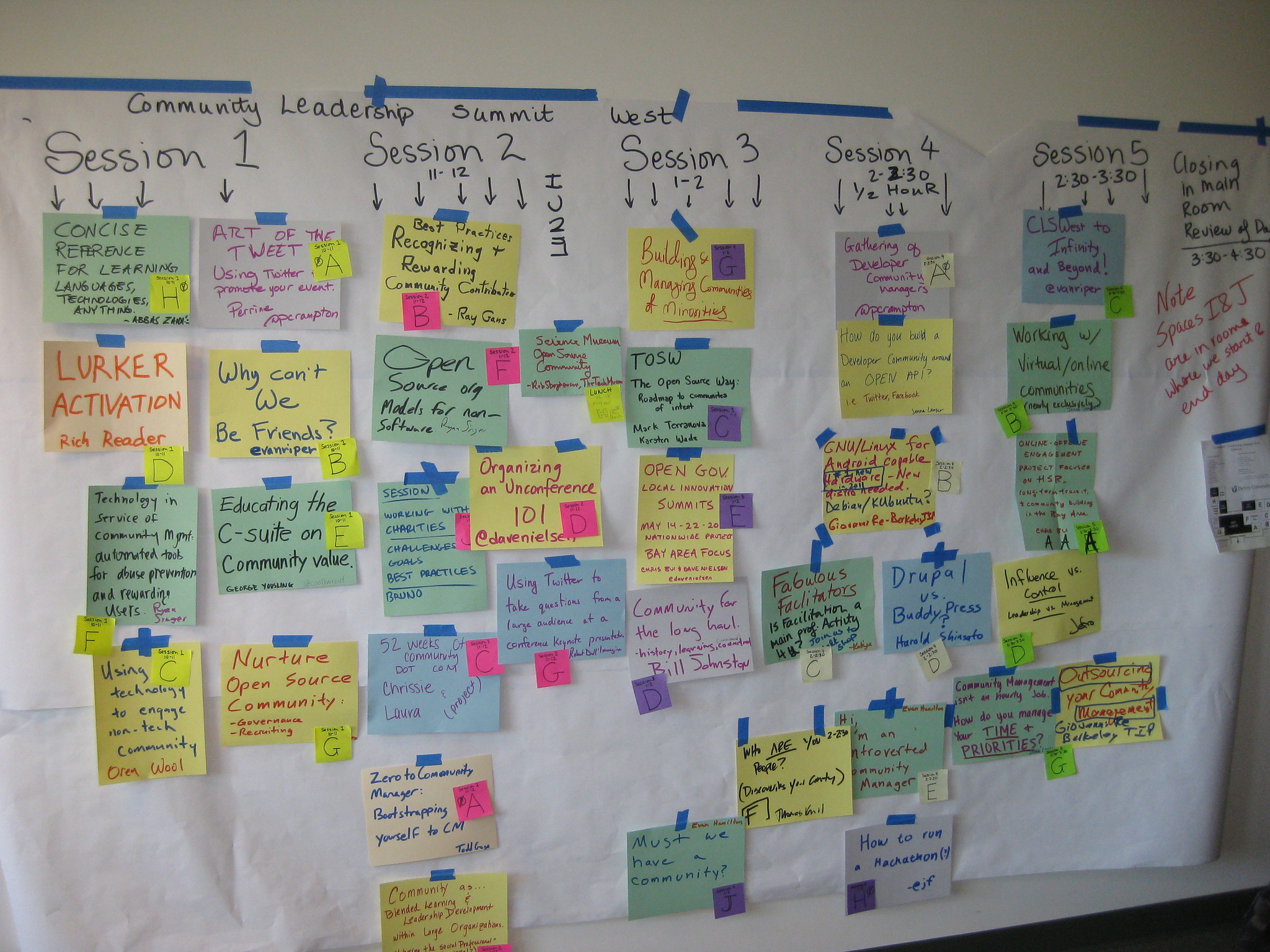
There are things that make an unconference work in physical spaces, and when they’re in place it can lead to pure magic.
Translating the format into virtual environments brings a number of challenges. This year, we’re taking a fresh look at some of the design choices. Not everything contained in the list below is new, and we already have a few new ideas in some areas — but not all.
In no particular order:
Connection across time zones. Our participants are spread across every continent, and there’s no four-hour window that serves the Americas, Europe, Middle East and Africa, and Asia-Pacific at once. So the question isn’t which window to pick. It’s how to make every region feel like the event is genuinely theirs, and how to create connection between people who are never all online at the same moment.
How to make sure attendees know what to expect. The format, the schedule, the tools, how to get in, how to get involved, etc. – all of it requires good onboarding.
When the program is allowed to emerge. While Open Space practitioners are clear that topics shouldn’t be posted before people have gathered, a number of online unconferences we studied chose to pre-seed the board.
Sessions are not all the same shape. A tool demo might be finished in fifteen minutes. A hands-on practice session probably needs ninety. A real discussion needs about an hour and might feel rushed if it gets cut off at forty minutes.
How many conversations should run at once. Too few and sessions become way too crowded. Too many and some rooms might not get enough attendees to be viable.
How much of your calendar we should ask for. Online events compete with everything else in your day. Ask for too much and people who could have joined for an afternoon don’t come at all. Ask for too little and nothing has room to develop.
How to accommodate people who drop in. Most people won’t attend all of anything, and that’s especially true online. Turning up for ninety minutes should feel like a complete experience, not like walking in on the middle of something.
Giving you the keys to the schedule. As much as possible, we want participants posting, moving, merging, and closing their own sessions, with no organizer in the middle.
The hallway. The conversation between sessions is the thing people say they value most, and the thing that fails most reliably online.
What survives the event. Good conversations happen and then evaporate. We want a record, and we want it to be available as soon as possible.
We’ll share more as some of these questions get settled over the coming weeks.
Have you attended any online unconferences or virtual events in general lately that were just great (or not)? Join the OFU Discord and let us know your recommendations.